What I love most about working as a Virtual Assistantis that it gives me both freedom and responsibility.
The freedom to organize my own work. To structure my days in a way that suits me. To work remotely with entrepreneurs and companies that trust me instead of needing constant control.
But that freedom only works because it comes with responsibility.
My clients need to be able to rely on me. Appointments need to be followed up, emails answered, invoices sent correctly, and loose ends should not disappear into some digital Bermuda Triangle. Because administration has a remarkable talent for resurfacing at exactly the worst possible moment.
And maybe that is exactly why this job suits me so well.
No two days are ever the same.
One day I am managing inboxes, invoicing, or following up with customers. The next day I am organizing calendars, creating documents, bringing structure into chaotic folders, or helping improve processes so they run more smoothly and efficiently.
That variety gives me energy.
I enjoy switching quickly between tasks, seeing connections, and finding practical solutions. Not just ticking boxes, but really thinking along about what could work better, simpler, or more efficiently.
It is about thinking ahead, taking responsibility, understanding what an entrepreneur needs before it is even explicitly asked, and making sure everything keeps running smoothly behind the scenes.
I like working independently, but never in a distant way.
To me, good support is a true collaboration. I learn how someone works, communicates, and thinks. Not to take everything over, but to help create calm, structure, and continuity.
Because entrepreneurs should not have to do everything alone.
Very often, it is the small administrative tasks that quietly take up a huge amount of mental space, and that costs energy.
So if I can help someone regain overview, experience more peace of mind, and focus again on their own expertise, that genuinely gives me satisfaction.
Some assignments come your way and you instantly know: this is not just work.
Recently, I started a new assignment I had genuinely been looking forward to. I now support acompany that helps women with cancer feel a little more comfortable and confident again. With soft headwear, scarves, beauty products and, above all, a great deal of understanding for what someone is going through during such a life-changing period.
From the outside, it may seem like a regular administrative role. Answering customer emails, following up on orders, processing questions and creating structure behind the scenes.
But this assignment feels different.
Because you know that behind every order, every question or every message, there is a real story. A woman who has just received a diagnosis. Someone about to start chemotherapy. A mother beginning to lose her hair and looking for something soft, beautiful and comforting that helps her feel like herself again. A daughter or partner searching for a way to support someone they love.
Suddenly, a simple email becomes more than just an email. Proper follow-up becomes more than administration. Careful work no longer feels only professional, but deeply human as well.
Why this touches me so deeply
Maybe this feeling also takes me back to many years ago.
When my aunt was in palliative care, I was deeply impressed by the people working there. Not because of grand speeches or dramatic gestures, but because of their calmness, kindness and presence. They seemed to know exactly when to speak and when silence was enough. They brought warmth into a period that felt heavy and uncertain for our family.
I still clearly remember thinking: this is meaningful work. Work where you can truly make a difference for people during moments that really matter.
At the time, I often thought that maybe one day, when I was older and had more time, I would do volunteer work in palliative care. It felt like such valuable and meaningful work: being there for people during one of the most vulnerable periods of their lives.
Not in the spotlight, but still meaningful
Today, I do not work in palliative care. I do not wear a white coat and I am not standing beside a hospital bed.
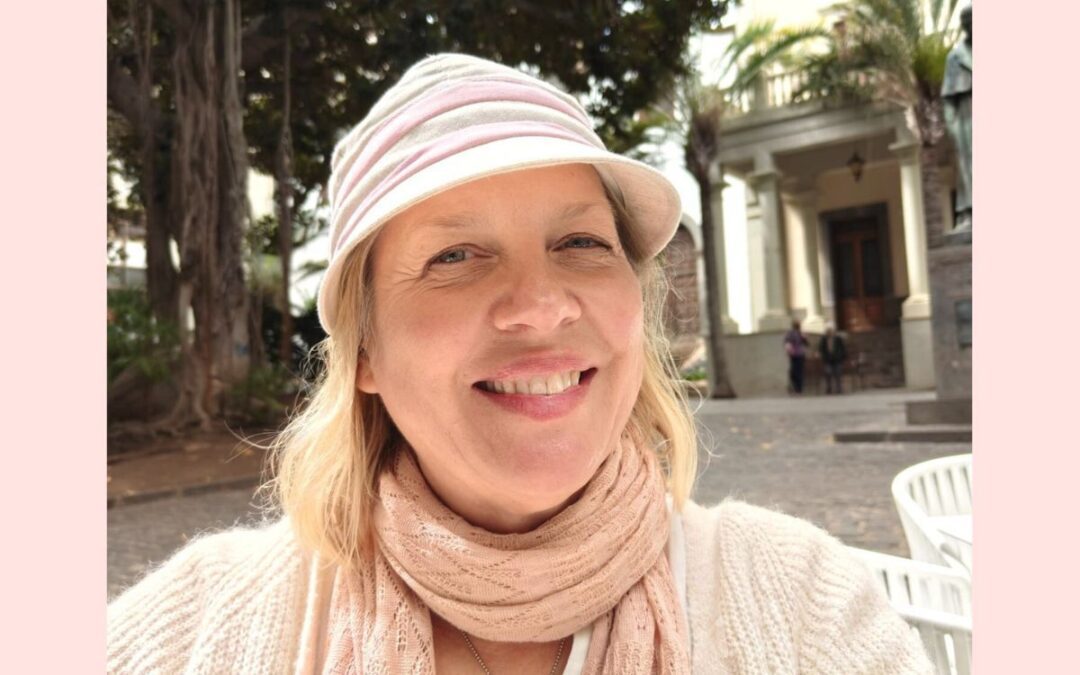
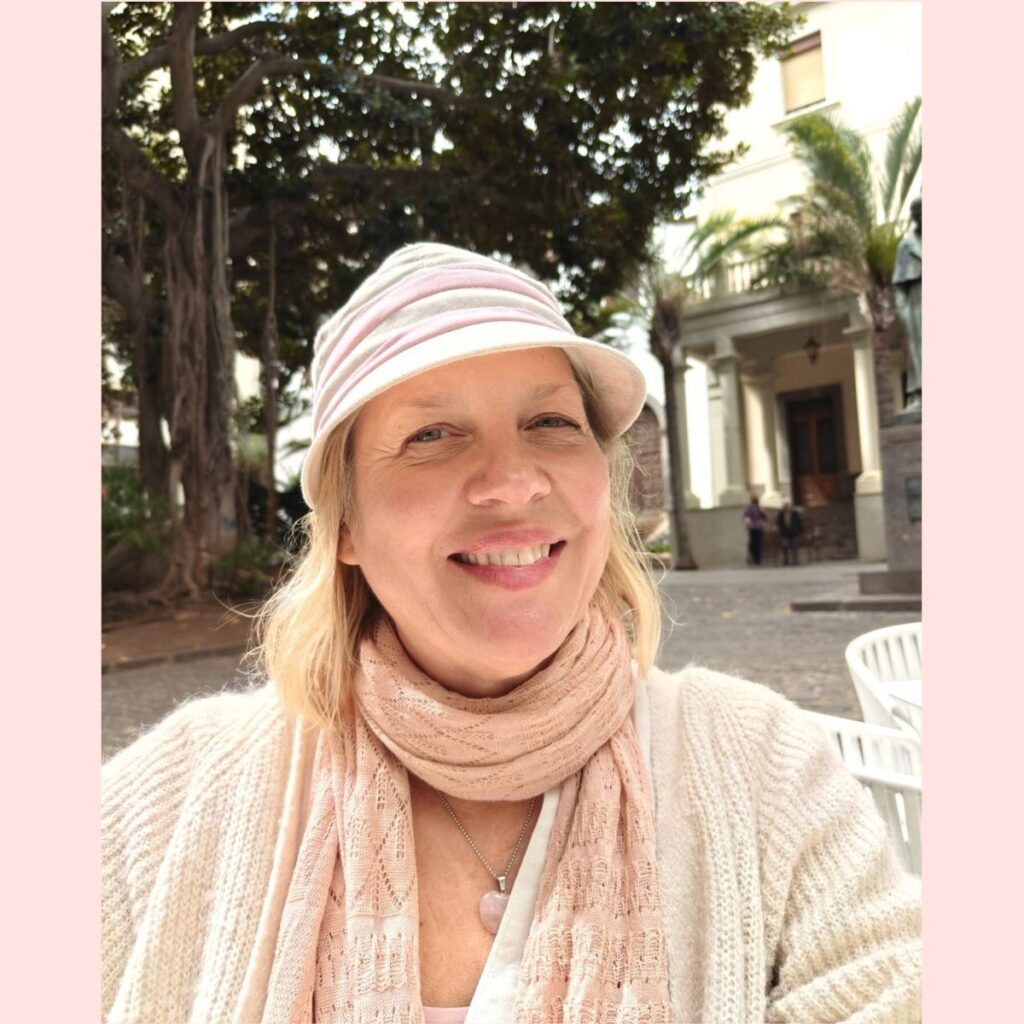
I sit behind my laptop in Tenerife, supporting entrepreneurs remotely.
And yet, I realize there is still room to make a difference here too.
By answering kindly when someone feels uncertain. By responding quickly when someone urgently needs help. By thinking along about comfort, practical solutions and warm communication. By making sure everything behind the scenes runs smoothly, so the customer mainly experiences calmness and care.
These may not seem like grand gestures, but for someone going through treatment, small things can feel surprisingly big.
Small things with great value
Because cancer has affected my own family many times as well, I know how important small gestures can be during difficult periods.
Someone who truly listens. A kind reply at the right moment. Something soft that brings comfort when your body is fighting hard. A feeling of dignity when you no longer fully recognize yourself in the mirror.
Maybe that is why this assignment touches me so deeply.
Because it reminds me that work does not always have to revolve around tasks, hours and invoices. Sometimes work can simply be human.
When work feels right
I believe everyone gets energy from different kinds of work.
Some people love numbers. Others thrive on strategy. Others feel energized by creativity or sales.
And some people feel the greatest satisfaction when their work, no matter how small, positively impacts someone else’s life.
For me, this is one of those assignments.
An assignment where my experience as a Virtual Assistantaligns with something deeper: caring, helping, bringing calmness and making life just a little lighter for someone else.
That feels special. And it reminds me that meaningful work does not always have to be loud.
Sometimes, it simply lives in the small things that carry great meaning.
Working as a Virtual Assistant in Tenerife: what my day looks like
My alarm goes off at 7 a.m. because I like to start my day calmly.
After a refreshing shower, I have a light breakfast while briefly scanning the news. Not everything, just the headlines. I work with Belgian clients, so staying informed about what’s happening there is part of the job.
By 8 a.m., I’m at my desk. Here in Tenerife, things are still quiet, but in Belgium the workday is already in full swing. That one-hour time difference means my day has effectively started before I even open my laptop.
Inbox management and structure as the foundation of my work
As a Virtual Assistant, I always start with the inbox.
First, I check for anything urgent that needs immediate attention. Small tasks that take just a few minutes are handled right away. Done is done. Anything that requires more time gets labelled.
Each client has their own structure and priorities and maintaining that overview is essential.
At the moment, I work with four businesses: two SMEs and two solo entrepreneurs. Clear planning and follow-up are not optional, they are necessary.
Working efficiently with clear planning and follow-up
On Mondays, I deliberately schedule follow-up meetings.
No long meetings, just short check-ins:
What has been completed?
What is still pending?
Where are we experiencing delays?
That one moment of alignment saves a lot of scattered messages and ad hoc questions throughout the rest of the week.
Lunch and life in Tenerife
Before I know it, it’s already midday.
We have lunch at home. Depending on the day’s harvest, lunch is prepared with fresh vegetables from the garden. Fruit is saved for later in the afternoon.
Focus blocks: working without distractions
In the afternoon, I work in focused time blocks.
For certain clients, I reserve several uninterrupted hours. Notifications are turned off and the inbox is closed. This is when I can truly focus and get meaningful work done.
Taking a break: walking and clearing my mind
After a few hours, I notice my head is getting full, so I go for a walk.
The barranco is currently filled with water due to the rain of the past months, which means the path to the beach is not accessible for now.
But the greenery in the valley, the flowers, the small waterfalls and the sound of birds more than make up for that.
Ending the workday as a Virtual Assistant
Back home, I do one final check of my inbox and finish a few remaining tasks before closing my workday.
We have an aperitif on the terrace and go over the day. When it gets dark, we watch the news. Being able to watch it on demand definitely has its advantages.
I usually end the day with a book. That’s how I quiet my mind.
Structure creates calm
This is how I structure my days, how I organise my work and how I consciously decide when I am “on” and when I am “off”.
And that is exactly what I do for my clients: bringing structure so their business can run smoothly.