“Foreigners should integrate better.”
It is a statement we hear regularly in Belgium and many other European countries. We expect newcomers to learn the language, participate in society and make an effort to adapt to their new environment.
But how well do we do that ourselves when we move abroad?
When you become the foreigner
Recently, I came across a LinkedIn post written by a Dutch expat that made an interesting observation.
In Belgium and the Netherlands, we often criticize immigrants who do not integrate. People who do not learn the language, mainly socialize with fellow nationals and create their own communities.
Yet, according to him, many Dutch people who move to Spain end up doing exactly the same thing. They surround themselves with other Dutch people, continue speaking Dutch and build Dutch-speaking communities abroad.
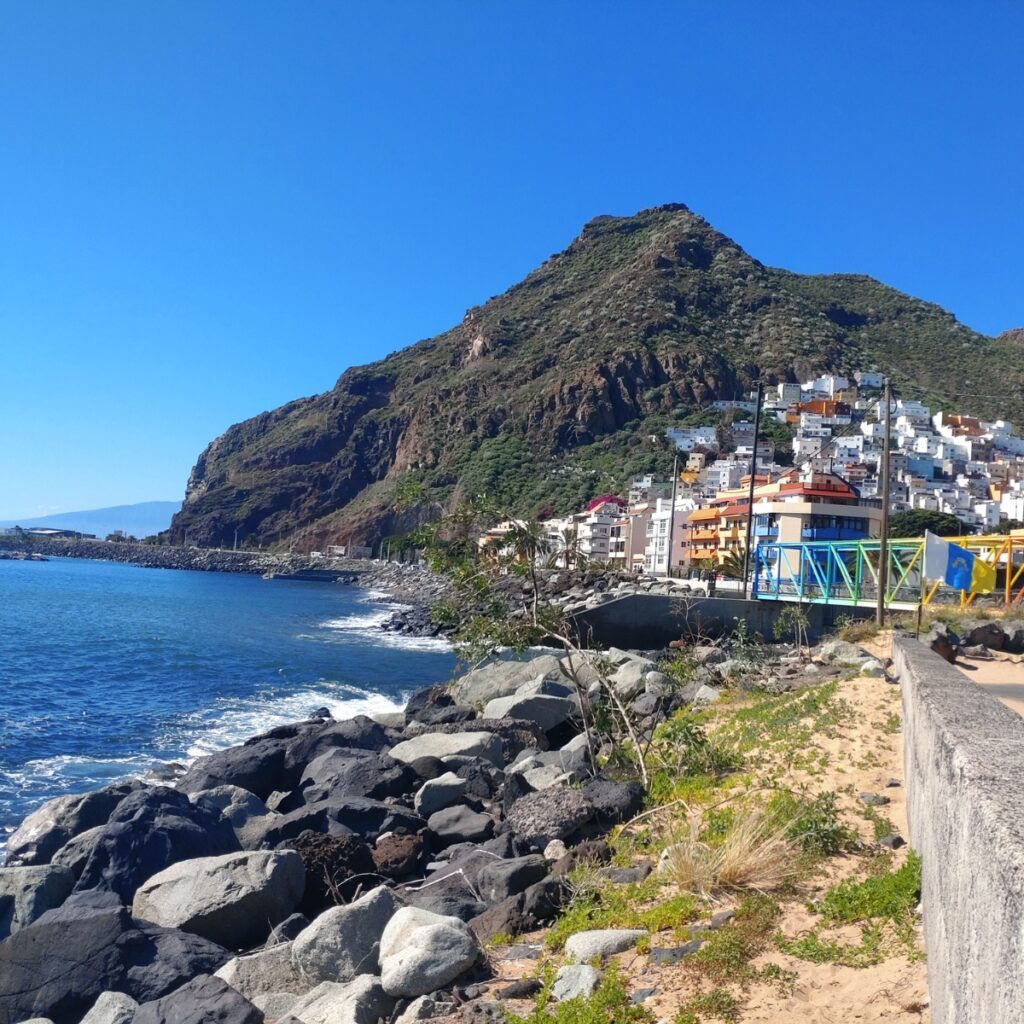
I have to admit that this surprised me because it does not reflect our own experience of moving to Tenerife at all.
We did not move to recreate Belgium
When my husband and I moved to Tenerife two years ago, our goal was never to recreate a little piece of Belgium on the island.
Quite the opposite.
We wanted to experience local life as it really is and immerse ourselves in our new surroundings.
We shop in local stores, live among Canarians and do our best to speak Spanish whenever possible.
That does not always go smoothly.
People often switch to English out of kindness when they hear us struggling to find the right words. Even then, we try to continue the conversation in Spanish as much as possible.
Simply because the only way to learn a language is to use it.
Integration starts with small efforts
To be honest, I expected learning Spanish to happen faster.
There were moments when I felt frustrated because I could not fully follow a conversation or express myself the way I wanted to.
Still, I kept trying.
Perhaps because I often thought about the debates we have in Belgium about integration.
I knew one thing for sure: I never wanted people here to think that we were not even making an effort to learn their language.
Are we fully integrated? No, not yet, but integration is a process that takes time.
Will we always be a foreigner?
Shortly after our move, a neighbor told us something that was difficult to hear at the time.
“In the eyes of many Canarians, you will always be foreigners.”
At first, that felt disappointing.
Today, I understand what he meant.
Even if our Spanish eventually becomes fluent, we will still be the couple with blonde hair, light eyes and fair skin that immediately reveals we are not from here, and that is perfectly fine.
What integration means to me
Living abroad has changed my perspective on integration.
To me, integration does not mean becoming someone you are not.
It does not mean erasing your origins or giving up your identity.
Integration means showing respect for the country where you live.
It means making an effort to learn the language, being open to the culture, understanding local customs and recognizing that you are a guest in someone else’s story.
The fact that your background remains visible does not change that.
Perhaps that is the most important lesson I have learned during these past two years.
Only when you become the foreigner yourself you truly understand how much effort integration requires.
And how much appreciation that effort can generate when people see you genuinely trying.
Paeme virtual assistant