During my recent client visits in Belgium, I was asked the same question surprisingly often: “Don’t you miss your colleagues, now that you work as a Virtual Assistant from abroad?”
The question was sincere and well-intended. And yes, it was genuinely nice to meet clients in person. It helps you understand each other better and strengthens collaboration. But the honest answer was always the same: no, I don’t miss it.
That answer tends to surprise people. Not because they doubt my work, but because they start from a different way of thinking.
working as a VA
The underlying assumption
For many people, collaboration is still closely linked to physical presence. Working in the same space, seeing each other work, walking over for a quick question. It feels familiar. But that feeling says very little about how effective collaboration actually is.
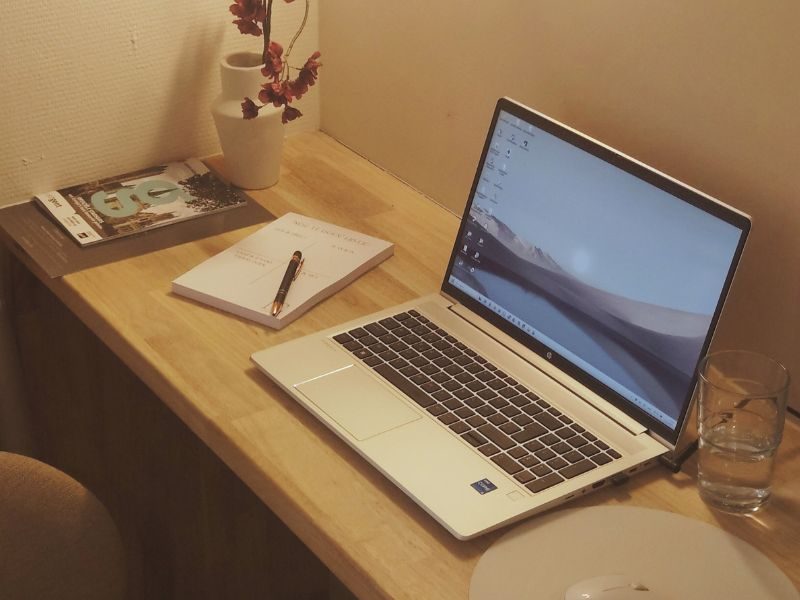
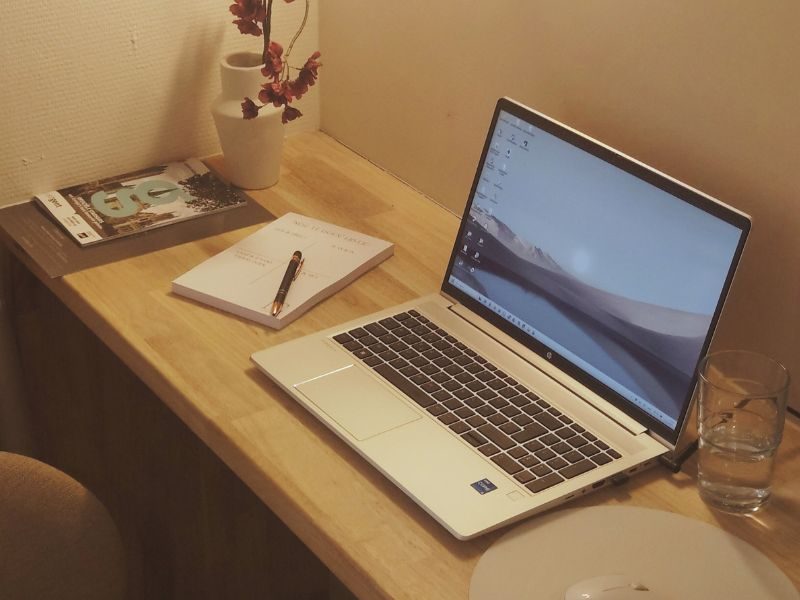
I work remotely every day via Teams, WhatsApp and email. Communication is clear, efficient and free of noise. Not despite the distance, but because there is structure. Clear agreements, explicit expectations and consistent follow-up make all the difference. Distance itself is rarely the problem. Lack of clarity is.
remote working abroad
Projection plays a bigger role than we realise
People often unconsciously project what they would miss in my situation. For them, colleagues are not only functional, but also social. They provide rhythm, confirmation, distraction or connection. That is not a judgement, it is simply how they work.
But that does not mean everyone fulfils those needs in the same way. I do not rely on my work as my only source of connection, and I do not need constant live interaction to function well. That does not make me distant or detached. It makes me independent.
asynchronous communication
Asynchronous communication is underestimated
Remote collaboration is often underestimated because asynchronous communication is misunderstood. When remote work feels difficult, it is rarely because people do not see each other. It is usually caused by vague agreements, unspoken expectations and a lack of ownership.
“Remote” then becomes the easy scapegoat, while the real issue is working without structure. Asynchronous communication works extremely well when tasks are clear, responsibilities are defined and decisions are documented instead of living in people’s heads. That requires maturity and discipline. Not everyone enjoys that or has experience with it.
virtual assistant
Trust without visibility feels uncomfortable for some
Trust also plays a major role. For some people, physical presence feels like a form of reassurance. If you can see someone working, it feels safe. In my collaborations, trust is not based on visibility but on predictability.
My clients know what to expect from me. They know tasks are followed up, agreements are honoured and I am reachable when needed. That builds trust faster than daily presence, even if it is less visible. Trust is not built by being seen, but by doing what you say you will do.
remote work
The employee mindset is hard to let go
Many of these assumptions stem from an employee mindset. In traditional employment, colleagues, social interaction and work context are often intertwined. As a self-employed professional, that dynamic is different. My clients are not my colleagues, and my work is not my entire social life.
For those who have never made that shift, it can be hard to imagine that this does not create a sense of emptiness. For me, it does not.
remote collaboration
Live contact is a bonus, not a requirement
Does that mean in-person contact has no value? Of course not. Sitting around the same table from time to time deepens conversations and makes nuances clearer more quickly. But it is not a prerequisite for good collaboration. It is an added value, not the foundation. And that distinction matters.
online collaboration
Why remote collaboration is still seen as “difficult”
Because many people rely on external structure, confuse connection with presence and mistake efficiency for coldness. Autonomy is quickly interpreted as loneliness. In reality, remote work mainly exposes how someone is used to working.
I do not miss colleagues. I do not miss an office. I do not miss constant live interaction.
What I do have is focus, calm and collaborations built on trust and results.
That is not accidental. It is a conscious choice.
And if that still feels hard to imagine, that says nothing about how I work, but everything about the framework you were taught to work in.
Small structure at the start of the week prevents big chaos at the end.
That sentence sums up how I work. It sounds simple, almost obvious. But that’s exactly the point.
For me, structure and control are not opposites. Structure is how I gain control over my work and my life. Without structure, there is no freedom, only mental noise. With structure, there is clarity, calm and space.
structure at the start of the week
Chaos rarely appears suddenly
Chaos is usually not an accident. It is postponed structure.
A week that starts without clear priorities often ends with firefighting. An inbox that is left “for later” decides on Friday what is urgent. Tasks scattered across notes, emails and your head make it feel like nothing is ever truly finished.
Not because you don’t work hard, but because there is no framework.
create control in your work
Structure creates control
Control does not mean everything is fixed. It means knowing where you stand.
In practice:
you know what must be done this week
you know what can wait
you know where there is room to adjust
That overview is reassuring. Not because there is less work, but because nothing is floating around unresolved.
workweek organisation
Structure does not have to be big
Many entrepreneurs think structure means new tools, complex systems or detailed weekly schedules. In most cases, it doesn’t.
What actually works are small, consistent anchors at the start of the week:
15-minute weekly reset: review your calendar and deadlines
Inbox quick scan: decide, delegate or defer
Define your top 3: three tasks that make the week successful if completed
No perfection. Just maintenance.
reduce chaos as an entrepreneur
Flexibility needs a foundation
“Leaving room for flexibility” sounds appealing, but without structure it is simply chaos with a friendly label.
Real flexibility only works when:
the foundation is clear
priorities are defined
decisions are made consciously
Then adjustments are easy. You move something within an existing plan instead of constantly improvising.
As an entrepreneur, no one structures your week for you. Everything you do not plan will return later, usually at the worst possible moment.
The busier your business becomes, the more expensive chaos gets:
missed follow-ups
delayed payments
forgotten commitments
mental overload
Structure is not about control for control’s sake. It is self-protection.
a combination of structure and flexibility
Structure as reassurance
For me, structure is also mental calm. The feeling that things are reviewed and running according to plan. Not rigid, but intentional.
Structure creates control. Control creates calm. Calm makes flexibility possible.
Small structure at the start of the week prevents big chaos at the end. Not because everything must be fixed, but because you deserve a workweek that doesn’t derail.
Freelancers are on the rise – including in Belgium
UNIZOrecently published new data, confirming what many entrepreneurs have been experiencing for years: support is no longer a luxury. The way companies handle their back-office and administrative workload is changing fast, and freelancers– especiallyVirtual Assistants – are playing a key role in that shift.
UNIZO freelancer data
The freelance boom in Belgium: the numbers don’t lie
A quick overview:
Belgium now counts 234,466 freelancers
That’s a 7 percent increase compared to last year
Over five years, that’s a rise of more than 30 percent
And forget the old stereotype of a young freelancer on his laptop in a random coffee bar. The average freelancer today is highly educated (80 percent with a bachelor’s or master’s degree), experienced, and has consciously chosen self-employment.
The strongest growth appears in supportive and advisory roles: consultancy, management support, graphic design, HR, and of course…Virtual Assistance.
freelancers in Belgium
Why more companies are turning to a Virtual Assistant
As a VA, I hear the same issues over and over, just in different packaging:
Administration held together by post-it notes
Invoices that get delayed until “when there’s time”
Endless to-do lists where the important work never gets done
Client databases that exist only as piles of business cards
A complete loss of overview in daily chaos
A work-life balance that’s slowly evaporating
Business growth that leads to even more admin
And that last point is the real problem: growth without structure equals chaos.
Entrepreneurs want to focus on their actual expertise, not on the administration that comes with it. But that same administration determines whether a business runs smoothly or keeps stumbling.
A good VAbrings structure, rhythm and calm. Not glamorous, but very effective.
“Boring” suddenly becomes invoices created and paid on time, clients receiving quick and professional replies, an agenda that works for you instead of against you. And yes boring becomes profitable.
freelance support for entrepreneurs
The Belgian mindset is shifting
In the Netherlands, Spain and the UK, working with Virtual Assistantsis already standard. Belgium has been slower to adapt, but that’s changing. Companies are realising that:
freelancers are not beginners, but experienced specialists
expertise on demand is more efficient than hiring extra staff
there are no payroll costs, sick-leave complexities or HR obligations
flexible support works better during busy periods
On top of that, many entrepreneurs want more balance and more growth – without sacrificing family time, health or sanity. The only sustainable solution is delegation, preferably to someone who not only executes tasks but also thinks strategically with the business.
business growth through delegation
What this trend means for entrepreneurs
In practice:
You get expertise without fixed costs
No payroll, no HR processes, no administrative overhead.
Your business becomes more streamlined and professional
An experienced VAbuilds systems that keep working, even when things get busy.
You scale without extra weight
Ideal for entrepreneurs who want to grow without hiring employees.
administrative support for small businesses
Conclusion: Freelancers andVirtual Assistants are not a trend – they’re the new standard
The latest UNIZOfigures confirm what entrepreneurs have been sensing for years: we’re moving toward a market where support needs to be flexible, specialised and scalable.
freelance administration help
That’s why the role of theVirtual Assistantsis growing so quickly – especially in Belgium, where businesses are finally discovering how much peace, clarity and efficiency it brings.
A great VAworks next to you, not under you. She builds systems, creates structure, and frees you up to do what you became an entrepreneur to do.
This rise of freelancers isn’t a hype but a logical evolution.
This morning started with light drizzle, or as our neighbour calls it: chipi-chipi. It’s not an official Spanish word you learn in school, but local slang from the Canary Islands and Latin America. It sounds far more cheerful than the standard llovizna, and it perfectly matches that soft, hesitant kind of rain.
Canary Islands weather
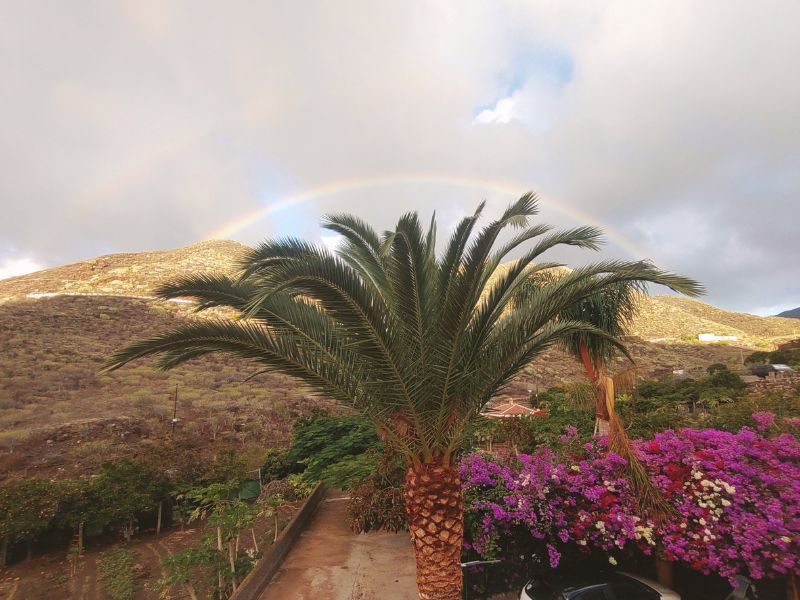
While the chipi-chipi fell quietly, the sun was slowly climbing over the mountains. Not fully visible yet, but already strong enough to pull a rainbow across the valley. The kind of rainbow that makes you pause for a moment and drift off in thought, even when you had other plans.
Tenerife drizzle
I still catch myself looking for the spot where the rainbowtouches the ground. You almost want to walk towards that imaginarypot of gold, only to realise again that it doesn’t exist.
Funny how those old childhood stories stick with us. Do you feel that too?
Either way, rainbows bring an instant happy feeling to an ordinary weekday morning. A bit of chipi-chipi, some sunlight and the view of the beautiful nature around us: sometimes that’s all you need.